
Počáteční příznaky těhotenství: co vás čeká a jak je poznat
When you suspect you might be pregnant, the first signs can be subtle—or surprisingly loud. počáteční příznaky těhotenství, jsou fyzické a hormonální změny, které tělo projevuje krátce po oplodnění. Also known as rané příznaky těhotenství, they often appear before your period is even late. Many women notice them around the time they’d normally get their period, which is why it’s so easy to mix them up.
One of the most common signs is změna výtoků, může být hůře, bílejší nebo více než obvykle, ale nemá zápach. It’s not an infection—it’s your body preparing for pregnancy. Another frequent signal is zvýšená citlivost prsů, často popisovaná jako těžkost, pálení nebo citlivost na dotek. It’s not just discomfort—it’s your breasts getting ready for breastfeeding. Then there’s únava, která není jen „mám dnes pohodový den“—je to hluboká, nevysvětlitelná únavnost, která vás může přemoci i po dobrém spánku. Your body is working overtime to build a new life.
Not everyone gets nausea, but if you do, it can hit as early as three weeks. You might also notice changes in your sense of smell—something as simple as coffee or perfume suddenly feels overwhelming. Cravings? Yes, sometimes. But more often, it’s the opposite: foods you loved now make you gag. And then there’s the big one: zpožděná menstruace. If your period is late and you’ve had unprotected sex, it’s time to test. But don’t wait too long—if you’re spotting or have mild cramps and your period never came, that could be implantation bleeding, not a late cycle.
What you won’t feel: a sudden “I’m pregnant!” feeling. There’s no magic buzzer. That’s why so many women miss the signs—or blame stress, a bad night’s sleep, or a stomach bug. But when several of these symptoms show up together, especially if they’re new for you, it’s worth paying attention. The key is not to panic, but to observe. Track your symptoms. Note changes in your body. And if you’re unsure, a simple test from the pharmacy gives you clarity in minutes.
These early signs aren’t the same for everyone. Some women feel nothing at first. Others are overwhelmed. Neither is wrong. What matters is that you know what to look for, so you don’t ignore your body—or wait too long to get the answers you need. Below, you’ll find real stories, clear explanations, and practical advice on how to recognize these signs, what to do next, and when to see a doctor. No fluff. Just what works.

Jak bolí břicho na začátku těhotenství? Co je normální a kdy se obrátit na lékaře
Bolí vás břicho na začátku těhotenství? Zjistěte, co je normální a co je varovným signálem. Příčiny, co dělat a kdy se obrátit na lékaře - jasně a bez zbytečného znepokojení.
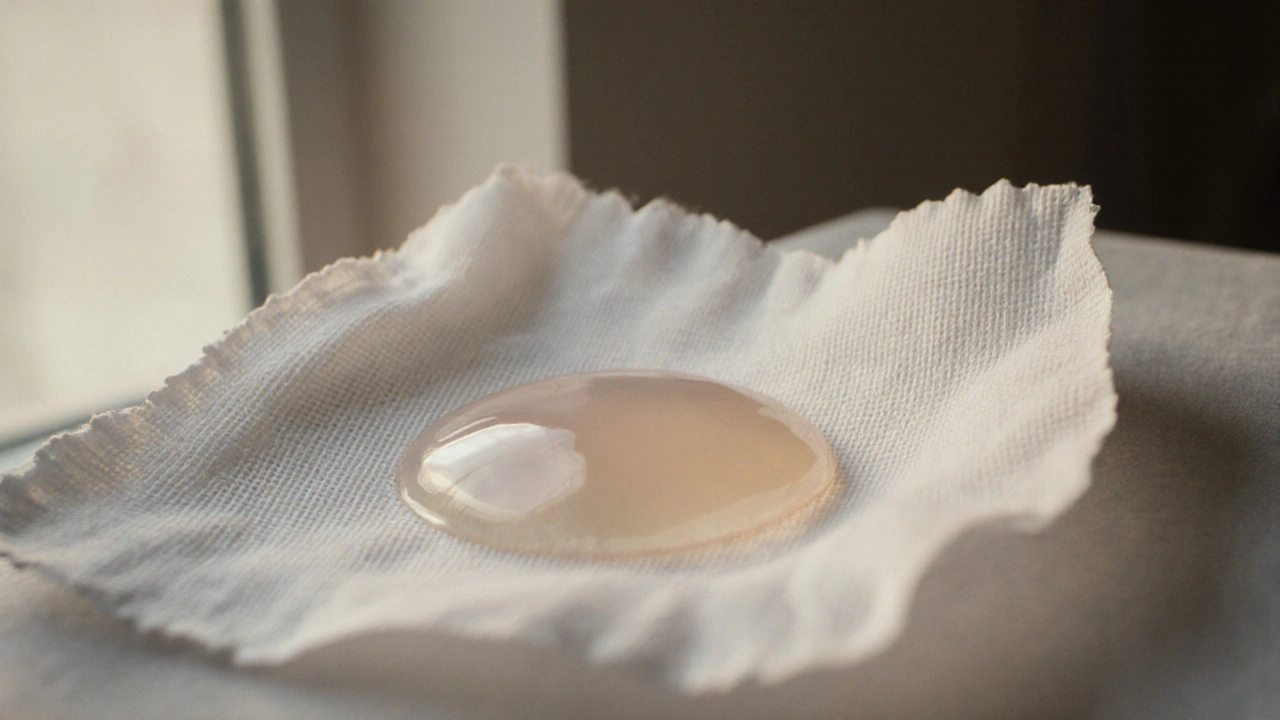
Jak vypadá hlen na začátku těhotenství? Co o něm říkají lékaři a co je normální
Hlen na začátku těhotenství je běžný příznak změn hormonů. Víte, jaký by měl vypadat a kdy je třeba se obrátit na lékaře? Zjistěte, co je normální a co je varováním.